Grow
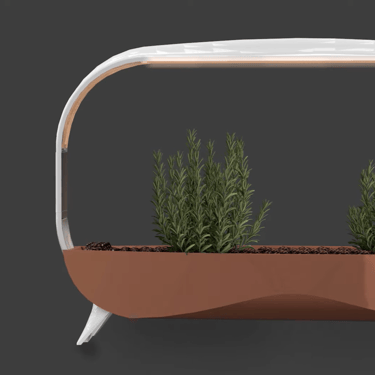
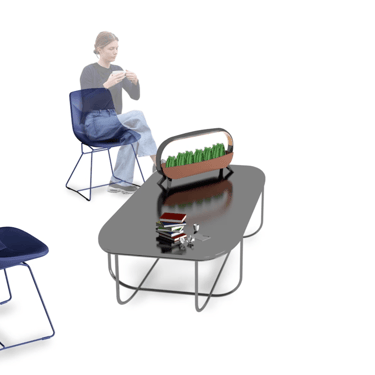
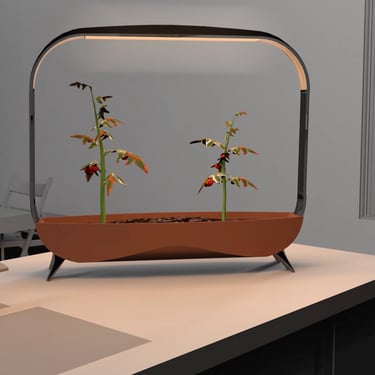
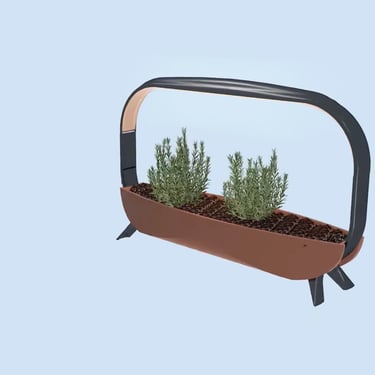
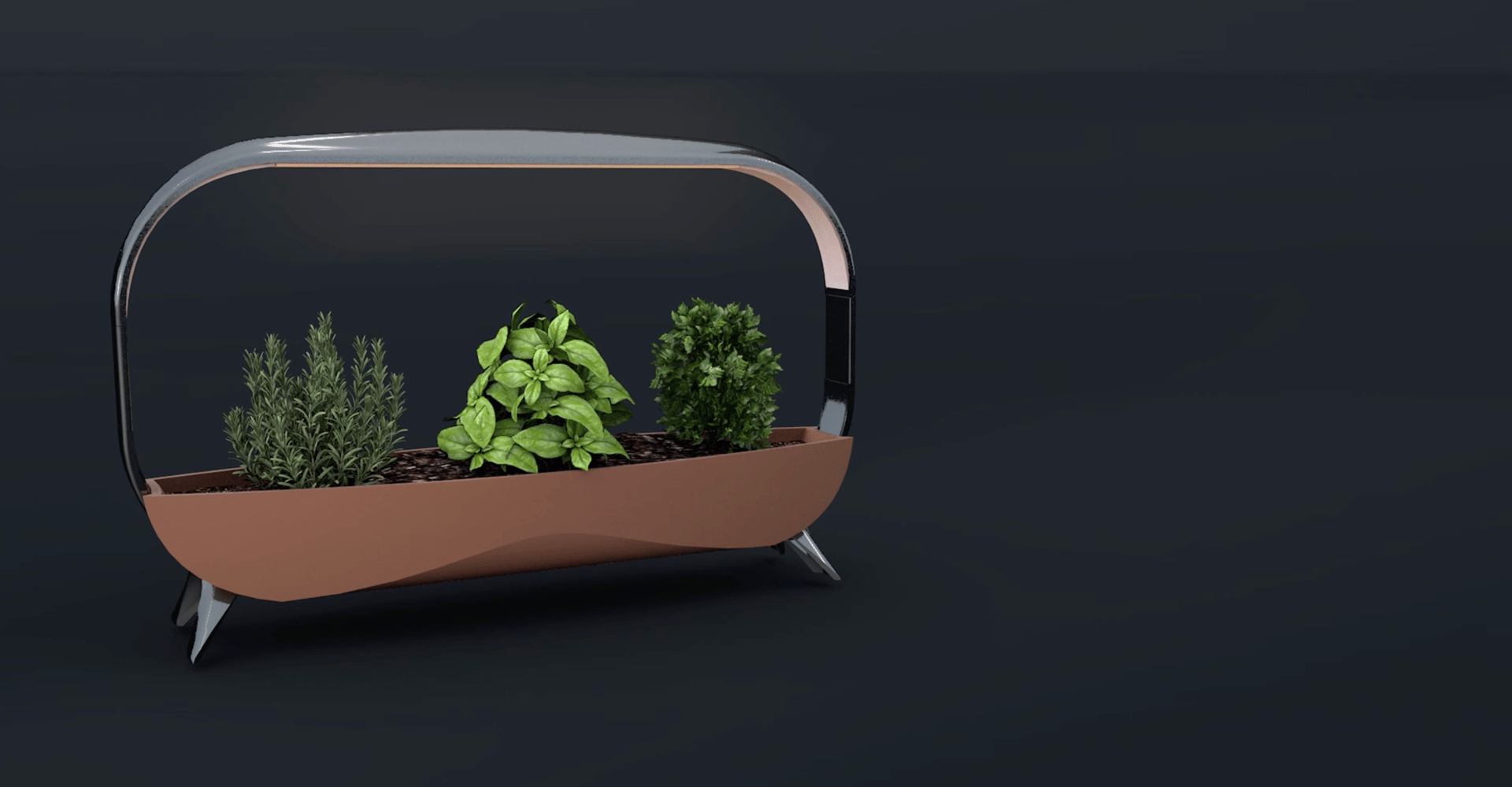
Grow is an indoor gardening system, allowing anyone to grow their own food or plants at home.
Industrial Designer
15 weeks
Role
Duration
01
Process
Background
When the pandemic hit, my communal garden shut down. Overnight, I lost access to the herbs and vegetables I'd been growing. Grocery stores were no help either: supply chain disruptions meant limited selection and overall poor produce quality. I needed an alternative, and since I was stuck indoors anyway, I started exploring how to grow plants at home. When briefed by UdeM to answer a COVID-induced problem through my final university project, I saw an opportunity to put my recent research into practice.
The research quickly went beyond just solving a food problem. I learned about the measurable benefits that indoor plants have on physical and mental health, air quality, stress reduction, and improved focus. What started as a practical need became a more interesting design challenge: how do you create a compact system that lets anyone grow plants indoors, reliably, without turning their living room into an industrial greenhouse?
Let there be light
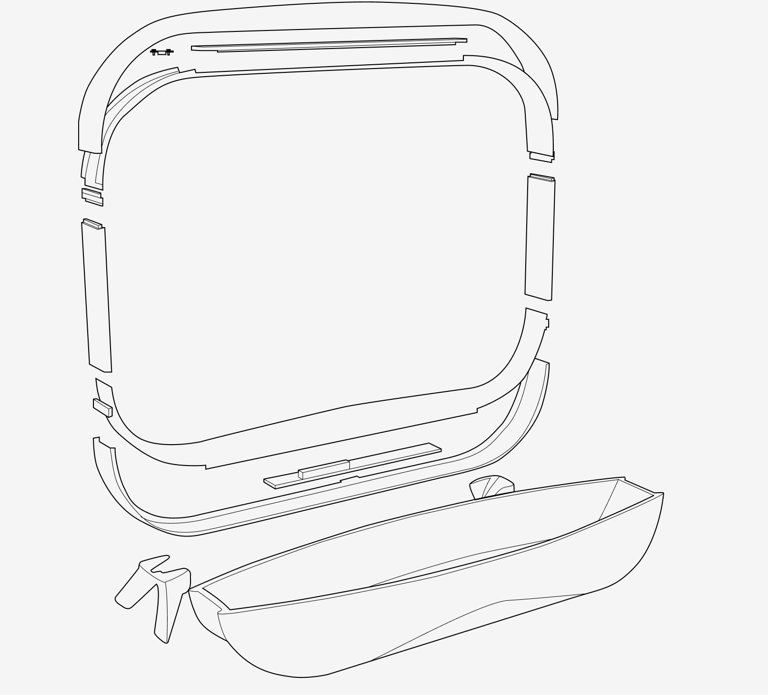
Lighting was the first problem to solve. Plants need full-spectrum light to grow, but the standard horticultural LEDs on the market have a cold, purple-tinted light that's unpleasant to live with. I sourced high-quality full-spectrum LEDs, to support plant growth all while maintaining a color temperature that works in a home environment. I also integrated additional warm LEDs into the array, granting a more pleasant light, and additionally allowing users to fine-tune the output color. The same light could feed a plant during the day, and serve as ambient lighting in the evening. The frame was designed out of aluminum, with a shape made to efficiently dissipate the heat from the LEDs.
Humidity
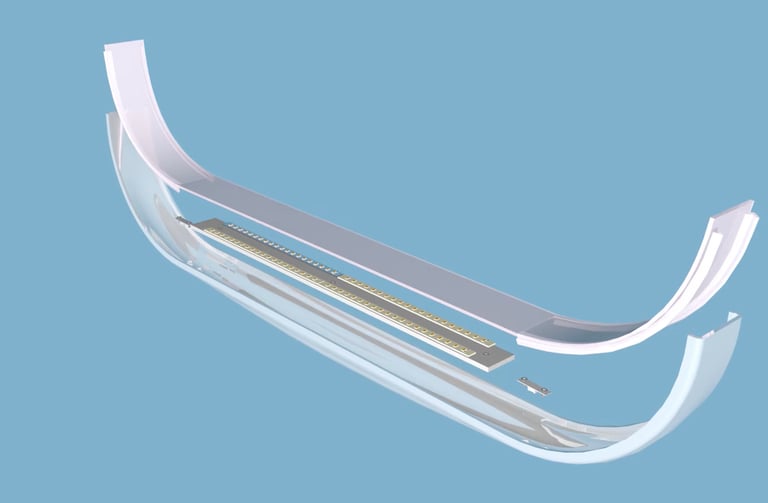
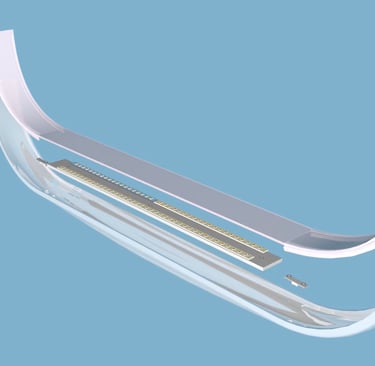
Humidity was the next challenge, and it led to one of the most interesting decisions in the project. Plants need consistent moisture, and I wanted a way to monitor it. A green thumb should not be a barrier to a nice environment and good produce! The problem was that a humidity sensor sitting outside the soil can't measure what's happening inside it. I explored probes of all types, but the aesthetics were not to my liking, and it added complexity to the device. Eventually, I thought of terracotta. The material is naturally porous: it absorbs water from the soil, and slowly releases it, creating a stable humid environment. That same absorption meant a small probe touching the exterior of the pot could read its moisture level as a reliable proxy for soil conditions. Terracotta also helped with heat dissipation from the lights above, serving a second purpose in the system.
Results
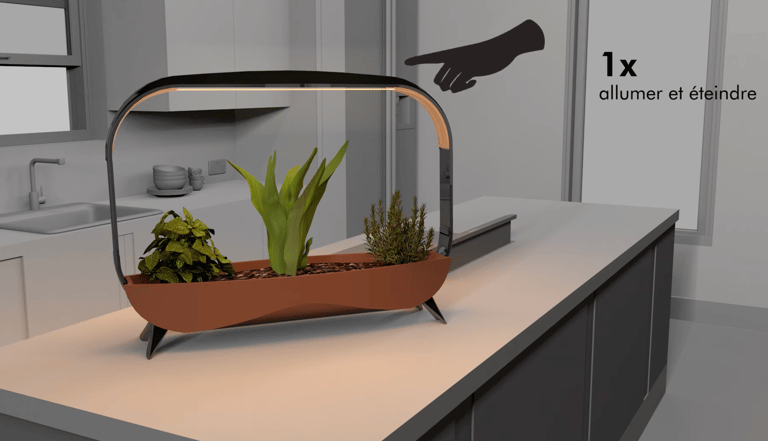
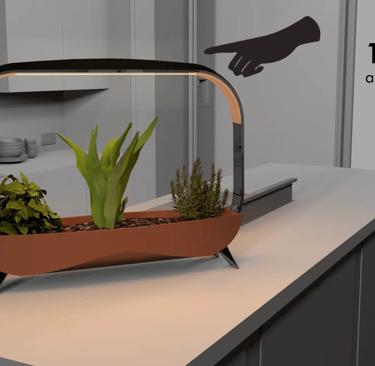
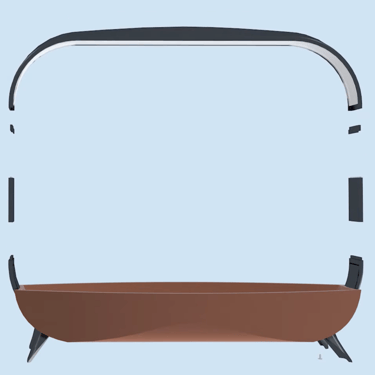
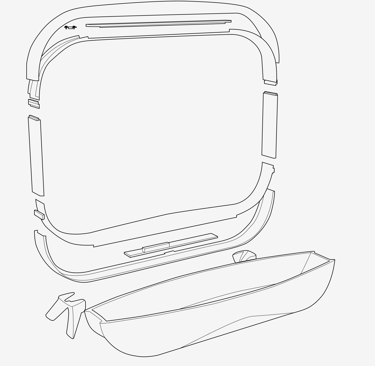
Finally, growth means height: adaptability was a whole consideration. Different plants grow to different sizes, and light that sits too close burns. To solve this, I designed a magnetic side strip that can be removed and swapped for different lengths, allowing multiple height configurations. This meant the same device could accommodate low herbs or taller plants, and the modules could be rearranged for different spots in the home.
Each aspect of the design went through multiple iterations, each time balancing the functional requirements and the global aesthetic of the device: Does this work well? Does this feel like a piece of furniture one would want in their apartment, or does it feel like lab equipment?
Some touches were added at the end to enhance the experience, and allow for a sleek form factor. Notably, a touch sensor was added to power the device on and off, meaning no visible buttons. The feet were made detachable, both for transport ease and adaptability to the multiple environments it could sit in. A companion app was also created to monitor humidity readings, get watering reminders, and control the light tint, with some presets curated for certain plant types.