Atlas AI
When I joined Atlas, the team had built a strong pose estimation AI adapted to fitness use cases. But there was no product in the traditional sense. The technology was white-labelled to other companies, who would integrate it into their own offerings. The business model worked commercially, but it created a frustrating blind spot: no direct access to end users, no usage data, and no way to answer the question that mattered most to the team, "are we actually making a positive impact?"
Atlas brought me in to help close that gap.
Lead Product Designer
CEO
CTO
Lead Engineer
Lead Data Scientist
Role
Team
Research
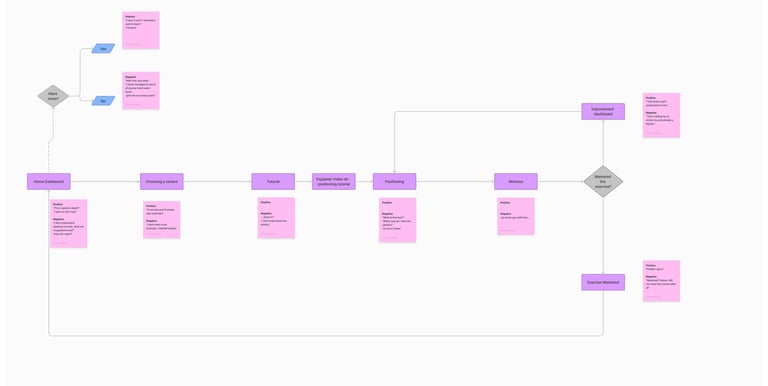
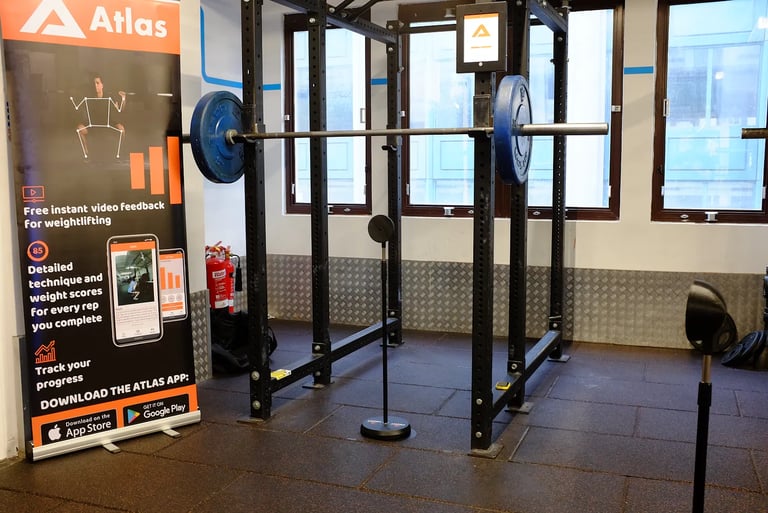
Getting access to end users required some creativity. We went into gyms where the solution was deployed and offered free coaching sessions to people using Atlas-powered products. This was our way in. What we found was disappointing, though not entirely surprising. There was significant friction in the user experience, and most of the perceived value was landing in the marketing departments of gyms rather than with the people actually training. Atlas was being treated as a novelty rather than a tool.
That finding opened a door. We decided to abandon the white-label model entirely and build a product that went directly to the end user, where we could monitor usage closely and solve real problems.
I led a large-scale research process, starting with the users we had coached in gyms. I trained the entire Atlas team on user research practices: bias reduction, open-ended questioning, navigating and synthesizing insights. Together, we interviewed hundreds of users over the following weeks. By the end, we had a clear picture of the deep, underlying problems people were hoping to solve.
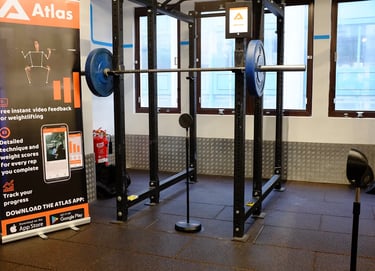
Injury risks
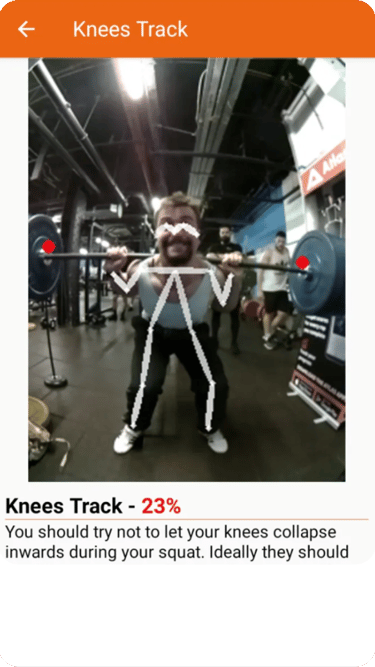
Compound exercises like squats and deadlifts are among the most effective for strength and endurance goals, but they're perceived as risky because they depend on proper form. Gyms, wary of liability, steer users toward machines instead. Machines isolate muscles too narrowly, leading to imbalances and slower progress.
Progress
Misinformation
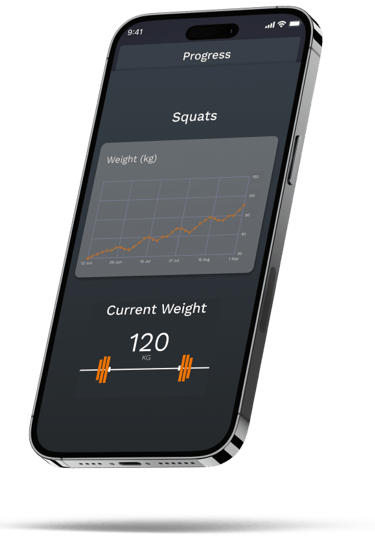
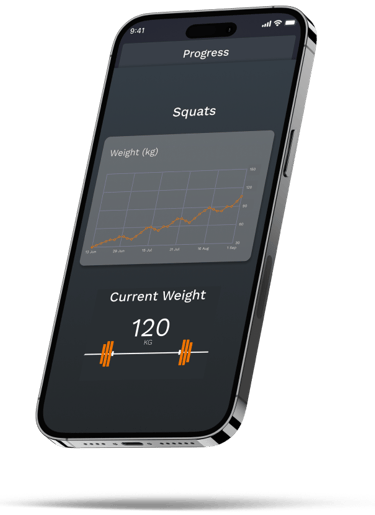
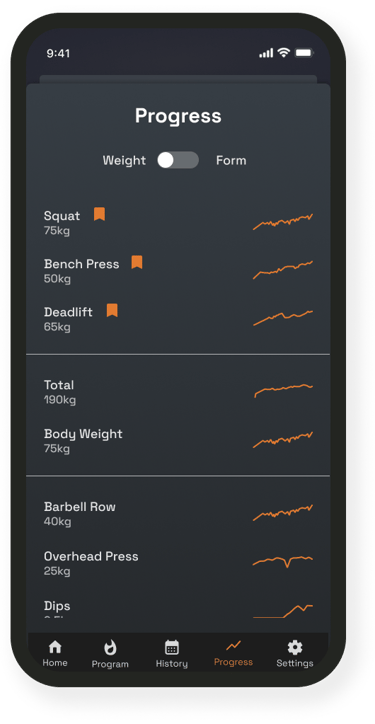
Training under an unadapted routine leads to stagnation. Users who cycled in and out of the gym consistently pointed to a lack of visible progress as the reason they lost motivation.
Users saw Atlas as a tool grounded in science and technology. In a landscape saturated with fitness influencers offering strong, contradictory advice, they were hoping for an objective companion that could cut through the noise and tell them what actually works for their situation.
Minimum Lovable Product
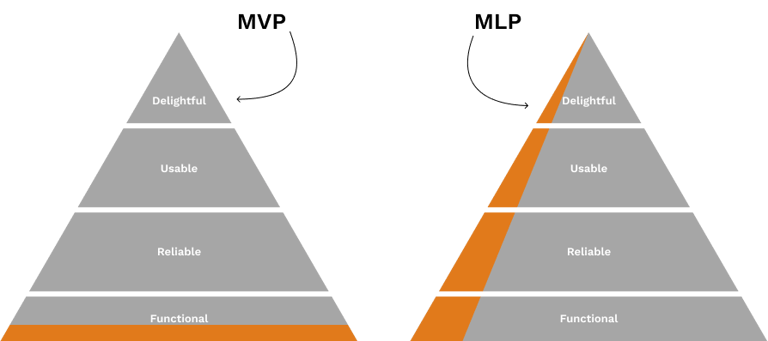
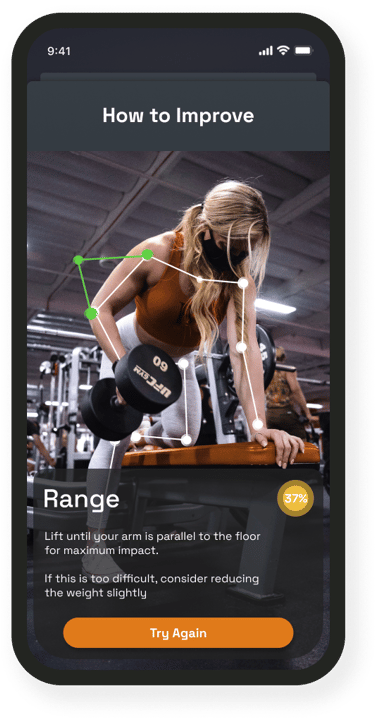
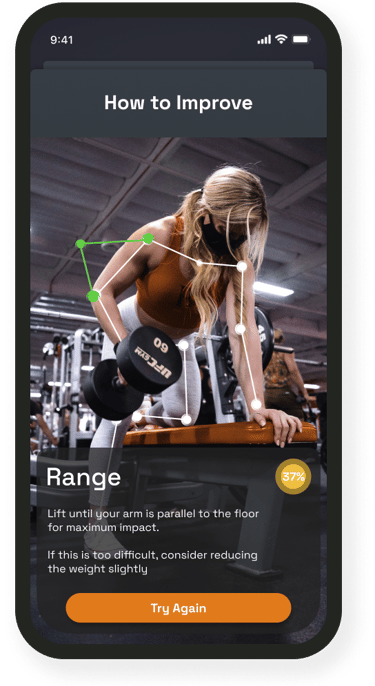
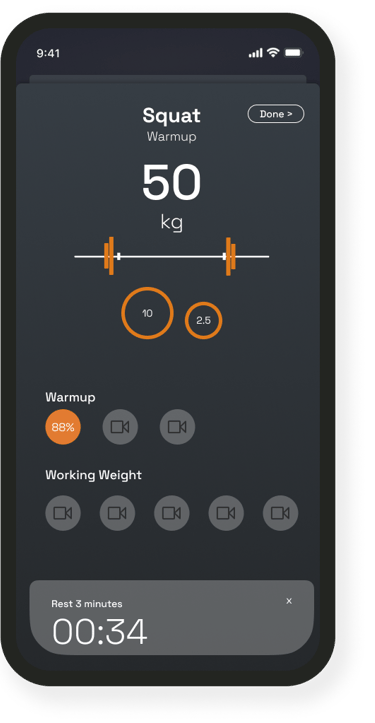
To detach from the white-label dependency, we moved away from the original hardware solution and built a mobile app. The product would now be owned and carried by the users themselves.
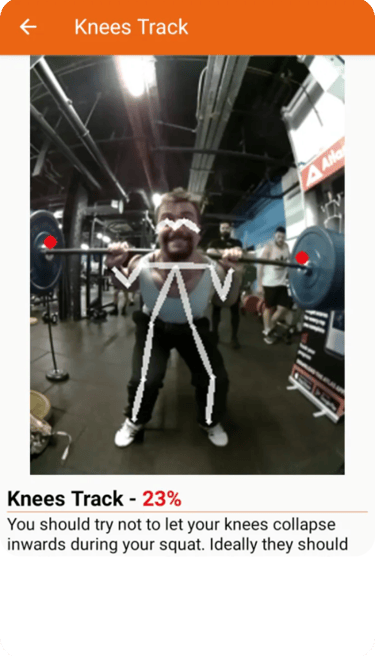
We shipped an MVP, then quickly and immediately began operating in a tight build-measure-learn loop. Every week we released new features or improvements, monitored usage, extracted insights, and shipped our response. The cycle was fast and the product evolved rapidly.
To build a brand
Since we could no longer rely on gyms for distribution, we needed to reach users directly. I led multiple marketing campaigns, defining brand identity, storytelling, and creating all materials. This resulted in a 50% reduction in customer acquisition cost and a 7x increase in conversion from online marketing. The pipeline was strong, and users started coming in steadily. Six months later, we had over 30,000 users on the platform.
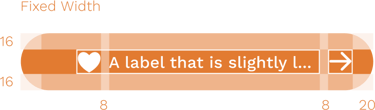
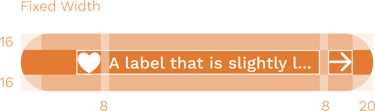
With traction established, it was time to solidify the product. I refined the designs and began standardizing the interface, which evolved into a component kit and eventually a fully fledged design system. I coded the entire design system in React.js, which led to my taking over all front-end implementation at Atlas, freeing the engineering team to focus on improving the AI itself.


An unfortunate ending
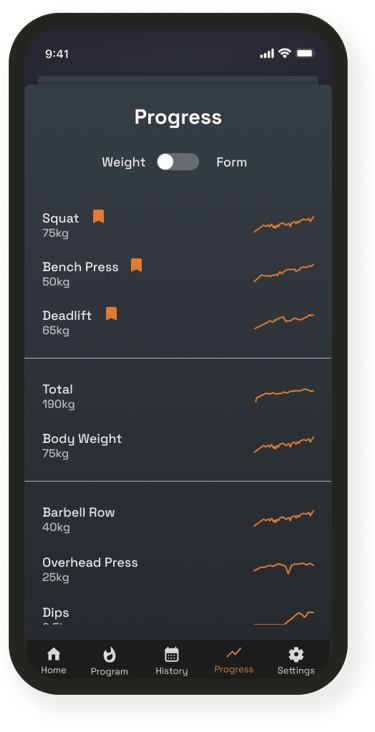
The end of this project came from outside our control. COVID restrictions forced most gyms to close. We briefly pivoted to home workouts, but it felt like a retreat to our starting point: an AI novelty without a meaningful problem to solve. Injury risk at home is minimal. Users in lockdown were trying to maintain fitness, not push through plateaus. The core problem we had set out to solve was on pause, and our conviction went with it. We decided to close shop.
It was a hard ending, but an honest one. We proved we could identify real problems, build a product that people used, and grow it to meaningful scale. Some circumstances are simply bigger than the team.